
Enhance Your Natural Glow
Understanding Your Hair Loss: Expert Diagnosis & Care
Losing your hair can be distressing, but you do not have to navigate it alone. Hair loss is rarely just “bad luck”—it is a symptom of an underlying issue, whether genetic, hormonal, nutritional, or environmental.
At Sussex Hair Clinic, we believe that effective treatment starts with an accurate diagnosis. With over 24 years of clinical experience, we identify the root cause of your condition to create a safe, personalised path to recovery.
Below are the most common hair loss conditions we treat at our Sussex clinic.
Common Hair Loss Conditions
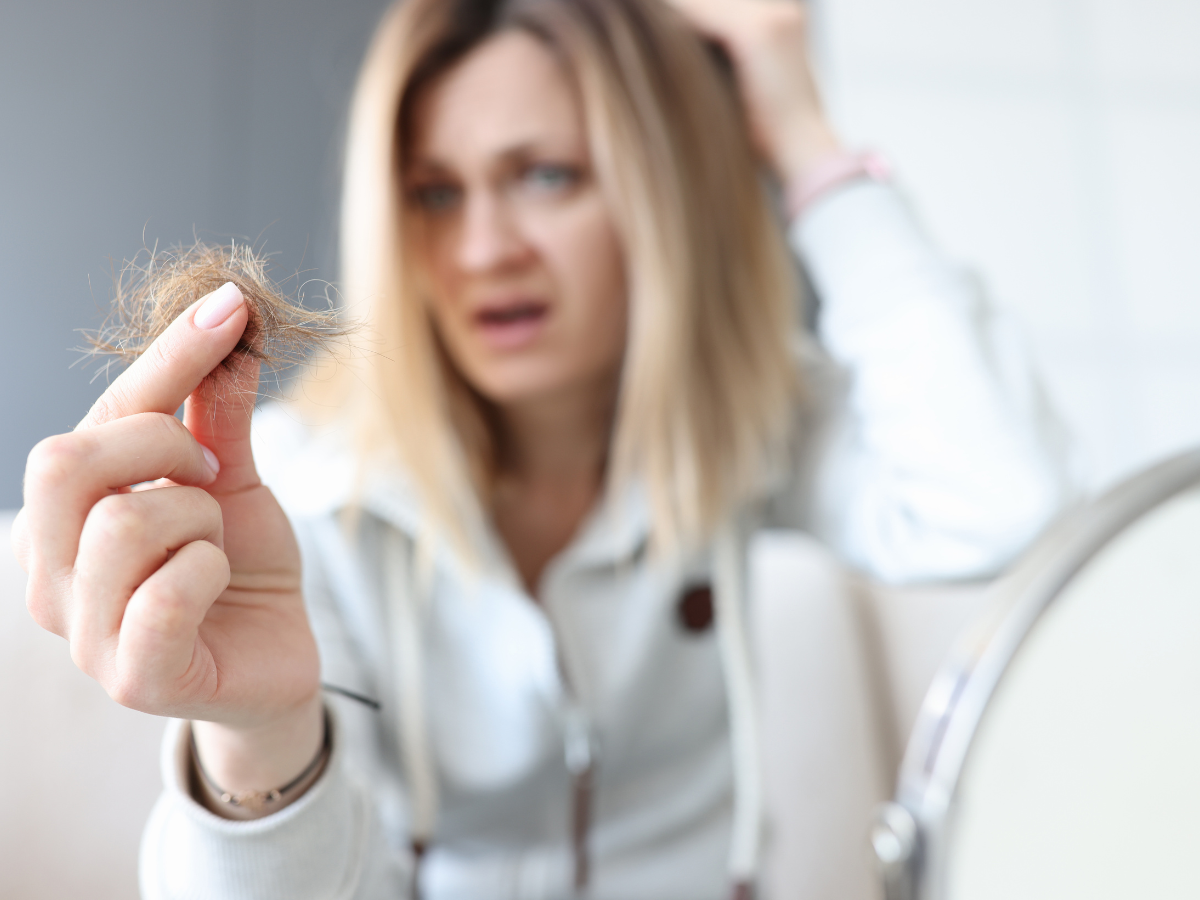
Female Pattern Hair Loss
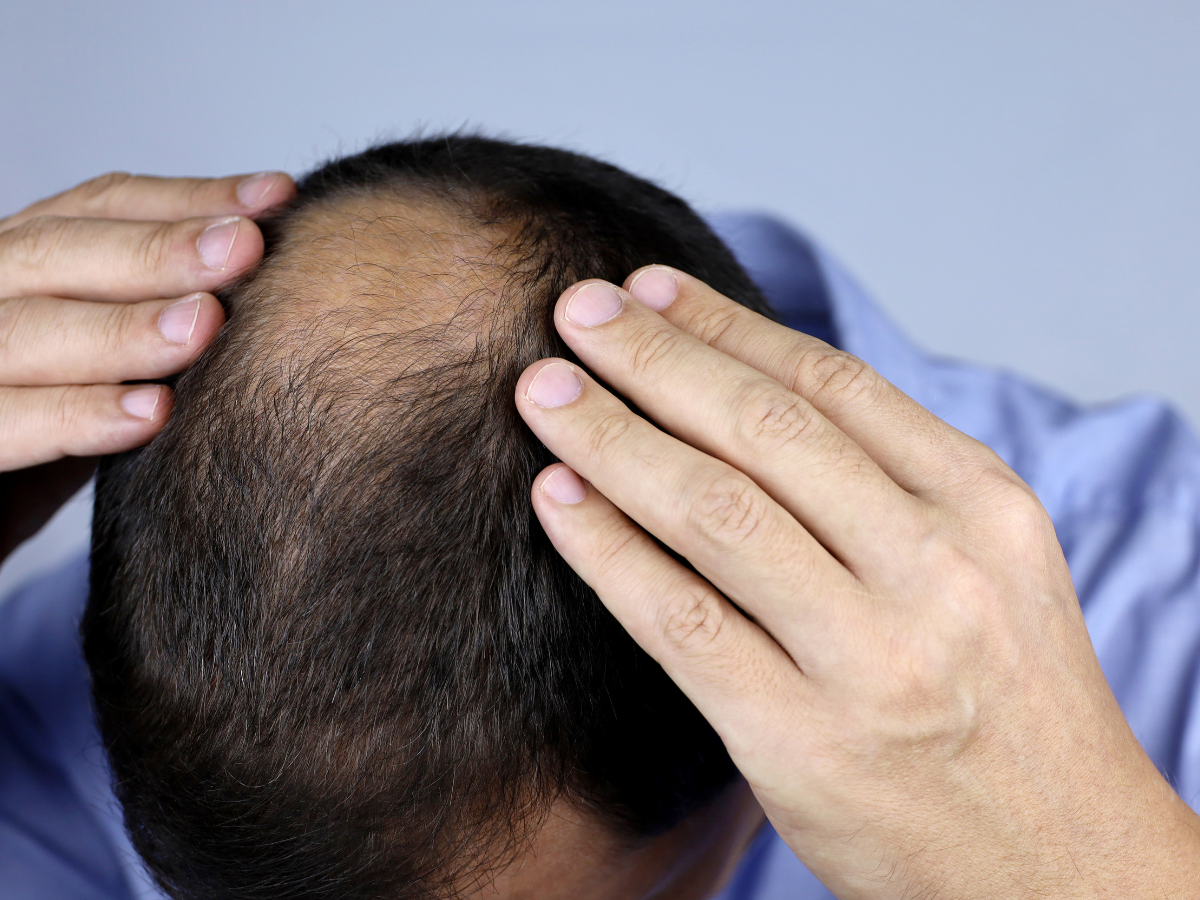
Male Pattern Baldness
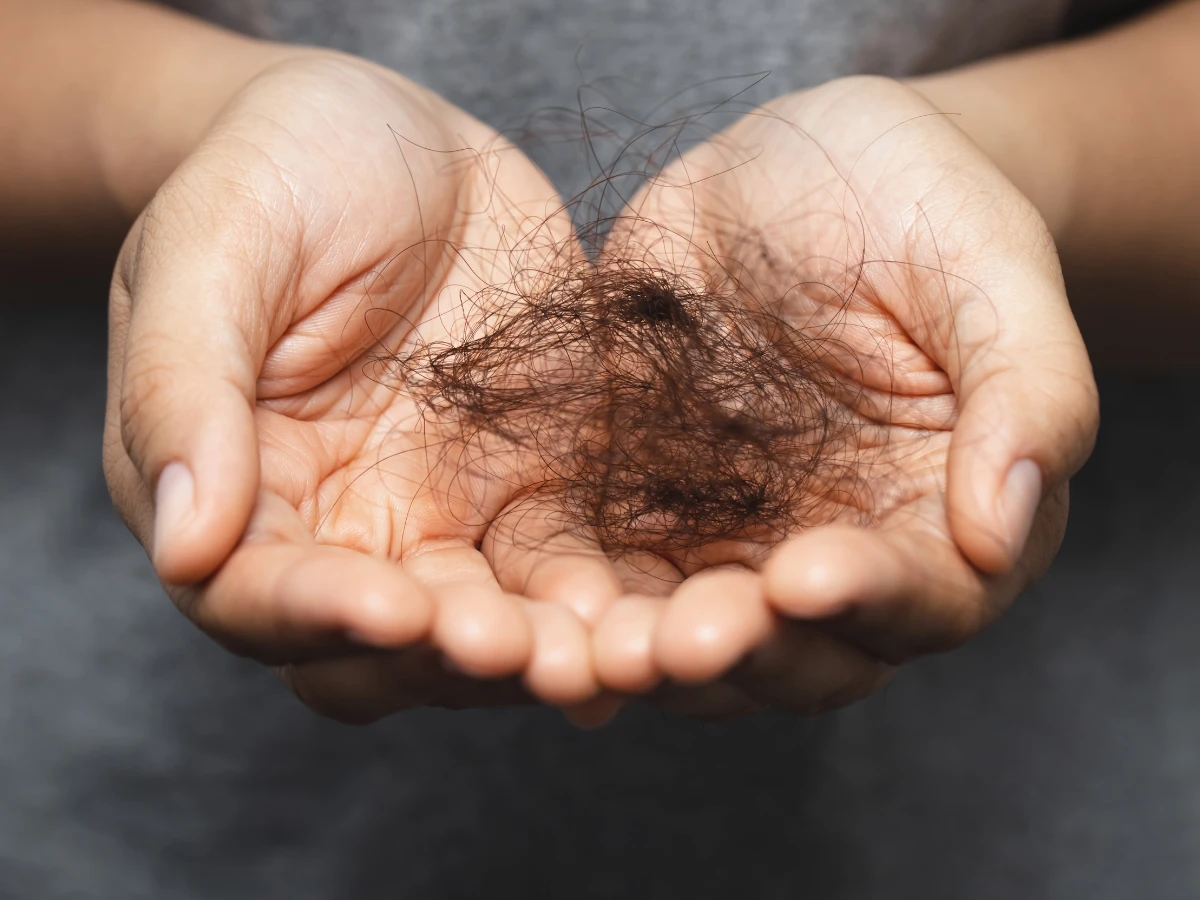
Telogen Effluvium
Alopecia Areata
Traction Alopecia
Hair Breakage & Damage
Unlike structural hair loss from the root, this issue involves physical snapping along the hair shaft. It is primarily caused by excessive heat styling, harsh chemical treatments, or poor maintenance habits that weaken the structural protein. Specialised deep-conditioning therapies and targeted bond-repair treatments can effectively restore strength and shine.
Hormonal & Medical Related Hair Loss
PCOS-Related Hair Loss
Menopause Hair Loss
Post-Pregnancy Hair Loss
Thyroid & Eyebrow Hair Loss
Trichotillomania (Hair Pulling)
Our Doctors
Board-Certified Team
Mia Potter
Mia Potter
Mia Potter
Success Stories
Read what people are talking about us.

Ava D.

Harvey J.

Debbie S.
have a question?
Frequently Asked Questions
1. How do I know which hair loss condition I have?
1. How do I know which hair loss condition I have?
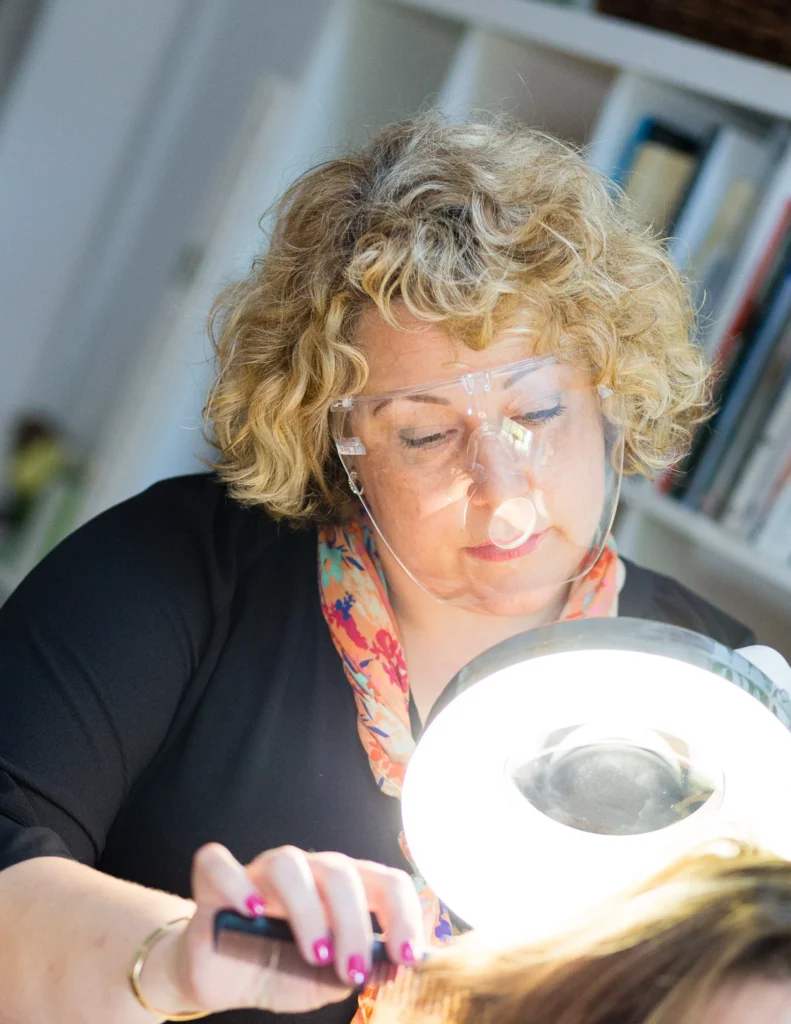
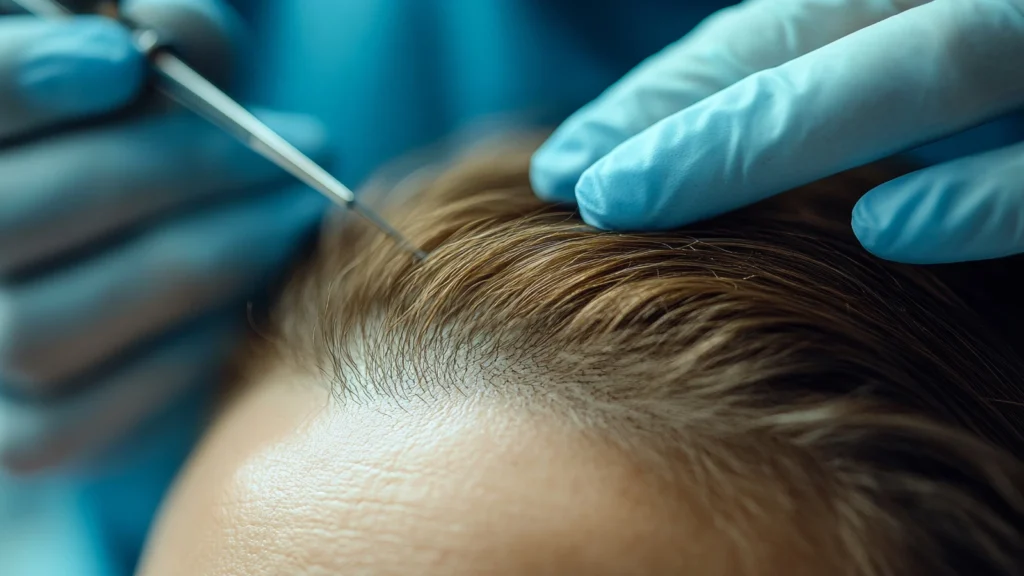
Many conditions look similar but require different treatments. Consultant Trichologist Shuna Hammocks uses digital trichoscopy to examine your scalp at a magnification not available to GPs. We diagnose the root cause—whether genetic, autoimmune, or stress-related—to ensure you get the correct treatment plan immediately.
2. Do you provide specialist treatment for hormonal hair loss (PCOS or Menopause)?
2. Do you provide specialist treatment for hormonal hair loss (PCOS or Menopause)?
Yes. Hormonal shifts are a primary driver of hair thinning for women. Shuna specialises in managing PCOS-related thinning and Menopausal hair loss. Our goal is to stabilise the shedding caused by these internal changes and optimise the scalp for regrowth.
3. I live in Kent. Is it easy to visit your clinic for Male Pattern Baldness?
3. I live in Kent. Is it easy to visit your clinic for Male Pattern Baldness?
Absolutely. Our consultation suite at The Anderida Practice in Forest Row is easily accessible for patients from Kent and Surrey. We provide evidence-based plans for Male Pattern Baldness to slow the rate of loss and preserve your hair density for longer.
4. What is the difference between hair shedding and hair breakage?
4. What is the difference between hair shedding and hair breakage?
This is a critical distinction. Hair breakage happens when the shaft snaps (often from heat or damage), whereas true hair loss occurs at the root. We assess your hair to determine if you need a repair plan for damage or a clinical therapy plan for follicle shedding.
5. Can you help with patchy hair loss like Alopecia Areata?
5. Can you help with patchy hair loss like Alopecia Areata?
Yes, we frequently treat this autoimmune condition in adults and children. It typically presents as smooth, round bald patches. We offer therapies to help dampen the local immune response and stimulate follicles. Early assessment is recommended for the best results.
6. Is Traction Alopecia permanent?
6. Is Traction Alopecia permanent?
It depends on how long the tension has occurred. Traction Alopecia is reversible in the early stages, but long-term trauma can cause permanent scarring. If you notice a receding hairline due to styling, book immediately—we offer a strict no-judgement environment to help save your hair.
7. Do I need a GP referral to see Shuna Hammocks?
7. Do I need a GP referral to see Shuna Hammocks?
No referral is needed; you can book directly with us. However, if Shuna suspects an underlying medical issue (like thyroid dysfunction), she can write to your GP to request specific blood tests to support your treatment path.
8. Do you offer support for compulsive hair pulling (Trichotillomania)?
8. Do you offer support for compulsive hair pulling (Trichotillomania)?
Yes. We provide a safe, private, and non-judgmental space to assess scalp damage. We can help determine if the follicles are still viable and provide barrier therapies to support your recovery.