Sussex Hair Clinic


Folliculitis Treatment in Sussex:
Stop the Infection & Save Your Hair

Is Your Scalp Sore, Itchy, and Inflamed?

If you have noticed small, red, tender bumps around your hair roots, you may be suffering from Folliculitis (an infected hair follicle).
While less discussed than dandruff or thinning, this condition can be painful, unpleasant, and—crucially—contagious.
At Sussex Hair Clinic (based at The Anderida Practice in Forest Row), Consultant Trichologist Shuna Hammocks treats this condition regularly. It is vital to stop the infection early, as untreated cases can damage the follicle permanently, leading to scarring and irreversible hair loss.

What is Scalp Folliculitis?

Folliculitis is a skin condition where the hair follicles become inflamed or infected. While it can occur anywhere on the body (arms, legs, beard area), it is particularly distressing on the scalp. Important Warning: Folliculitis can be contagious. If you scratch the infected area and then touch other parts of your scalp or body, the infection can spread. You can also pass the bacteria or fungus to others in your household via shared towels or pillowcases. Shuna Hammocks provides a safe, clinical environment to diagnose the specific type of infection—whether bacterial or fungal—to ensure the right treatment is used.
Scalp Folliculitis

Symptoms: How to Spot It

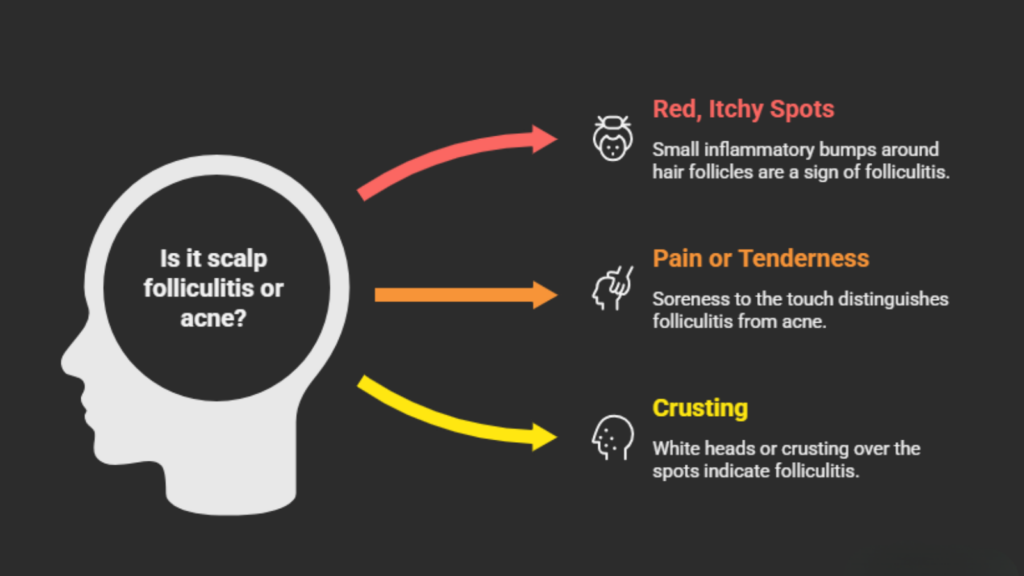
There are three main signs that point to Folliculitis rather than simple acne:

  1. Red, Itchy Spots: Small inflammatory bumps develop around the hair follicle.
  2. Pain or Tenderness: Unlike regular spots, these can feel sore to the touch.
  3. Crusting: The spots may develop white heads or crust over.
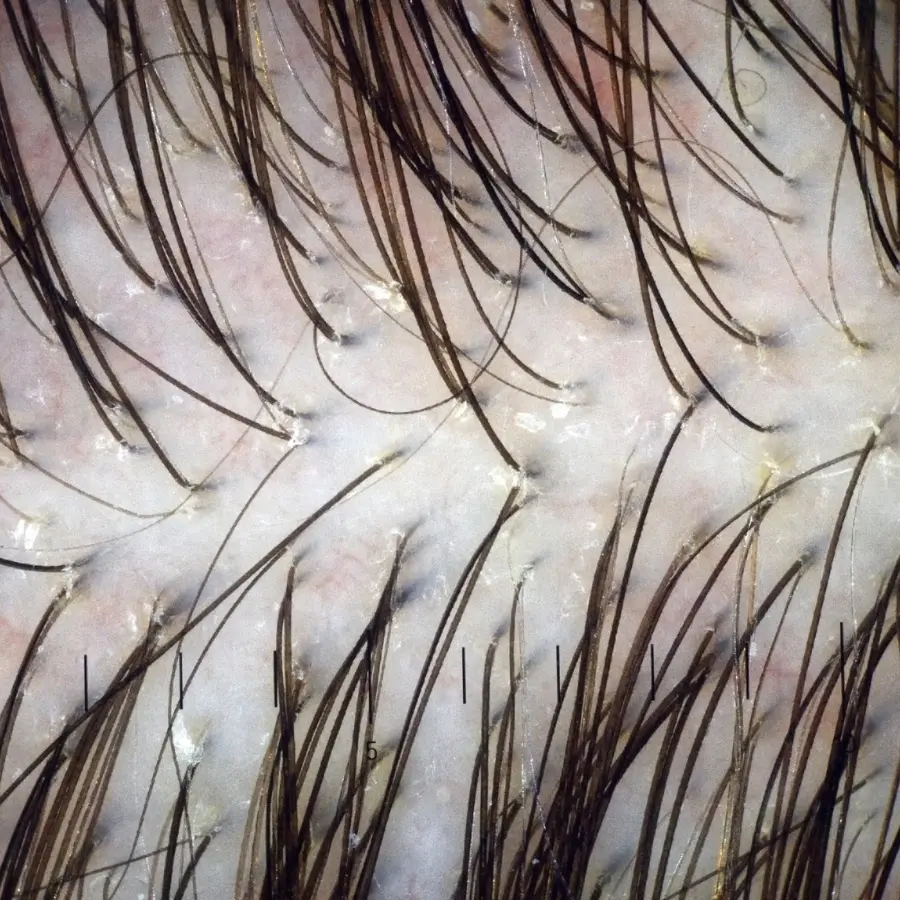
Barber’s Itch

What Causes Folliculitis?

In our Sussex clinic, we investigate the root cause to prevent it from returning. Common triggers include:

  • Bacterial or Fungal Infection: Staphylococcus aureus is a common culprit.
  • Excessive Sweating: Trapped sweat (often from gym sessions or hats) can breed bacteria.
  • Shaving: Men who shave their heads are particularly prone to “Barber’s Itch.”
  • Friction: Tight hats or helmets rubbing against the scalp.
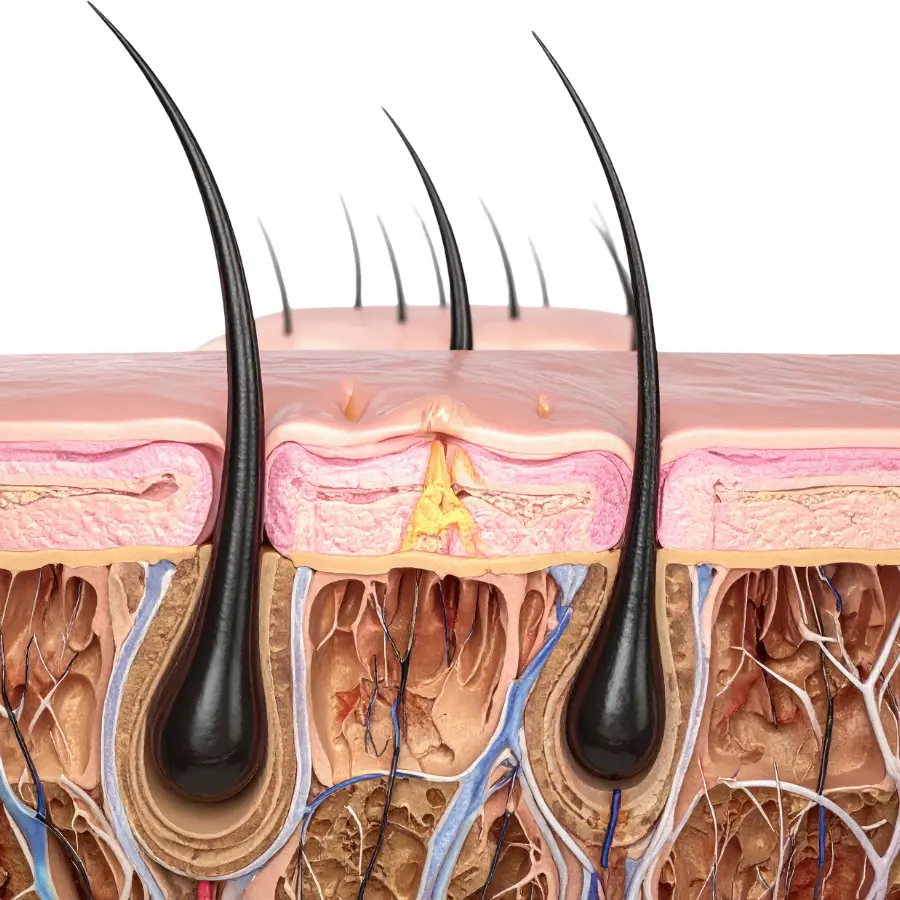
Bacterial or Fungal Infection

Can Folliculitis Cause Hair Loss?

Yes. This is the biggest risk.
If you scratch the itchy spots, you risk breaking the hair. More seriously, deep inflammation can destroy the follicle.
“When treated early enough, any hair loss is usually temporary,” says Shuna. “However, if the infection is ignored, it can lead to Cicatricial (scarring) Alopecia, where the hair can never grow back.”
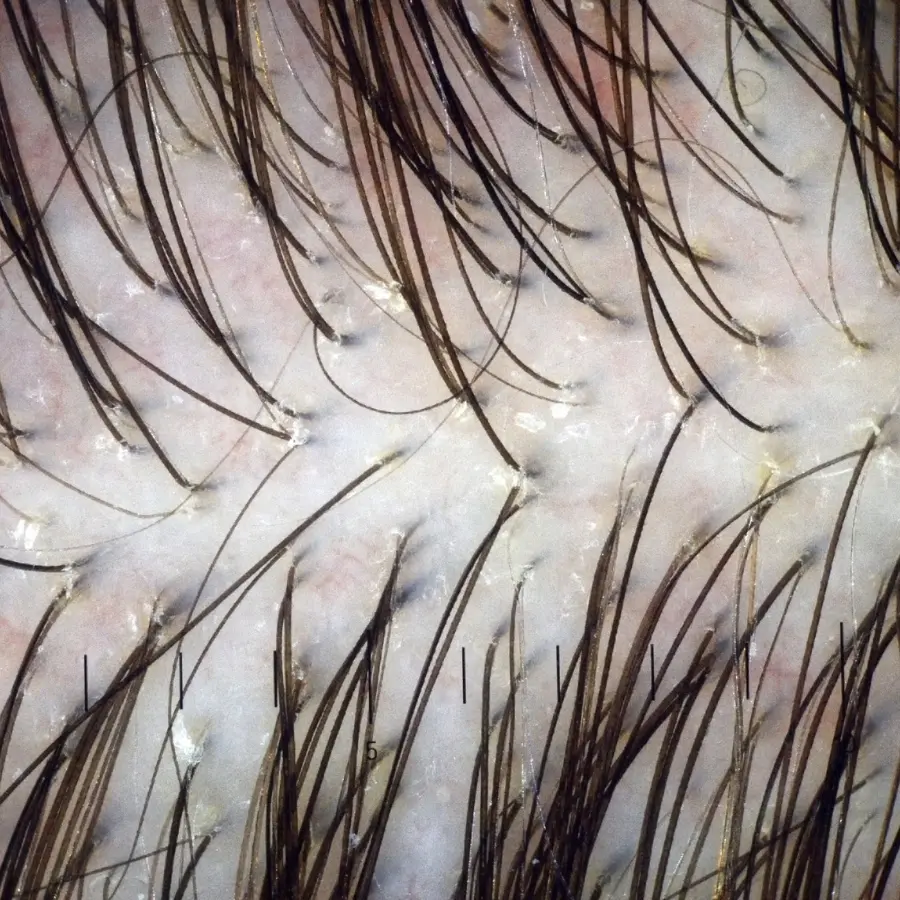
Temporary Hair Shedding

How We Treat It

We offer a comprehensive approach to clearing the infection:

  1. Clinical Scalp Therapy: We treat the scalp in-clinic to cleanse the area and reduce bacterial load.
  2. Home Medication: You will be prescribed specific lotions, creams, or shampoos to continue the treatment at home.
  3. Hygiene Advice: Guidance on washing frequency and preventing reinfection.
  4. Antibiotic Referral: If the case is severe, Shuna can recognize this immediately and refer you for oral antibiotics if necessary.

Patient Testimonial

“I had been suffering with a sore scalp for months and thought it was just bad acne. Shuna identified it as Folliculitis immediately. After following her hygiene plan and using the prescribed lotions, the redness has gone and my hair is growing back in the patchy areas.”
— A.R., Sussex Patient

Frequently Asked Questions

Is scalp folliculitis contagious?

Yes, it can be. If the cause is bacterial or fungal, sharing towels, combs, or razors can spread the infection to others. Avoid scratching to prevent spreading it to other parts of your own body.
In most cases, yes. If treated early, the hair follicle recovers. However, if the inflammation is deep and leaves a scar, the hair loss in that specific spot may be permanent. This is why early diagnosis is critical.
Common triggers include sweating, infrequent washing, shaving the head with a dull razor, or using heavy oils that clog the follicle (follicular occlusion).
Mild cases may resolve in 7–10 days with good hygiene. However, if the spots are painful, spreading, or causing hair loss, you need professional trichological or medical treatment to stop the infection.

Expert Care in Forest Row, Sussex

Do not wait for the infection to spread. We serve patients from East Grinstead, Crawley, Tunbridge Wells, and across Sussex.

Address:
Willow House, The Anderida Practice
Lower Rd, Forest Row
RH18 5ES, United Kingdom


Scroll to Top